A low moment for this Australian tabloid.
(Smith’s Weekly, Sydney, 1934)
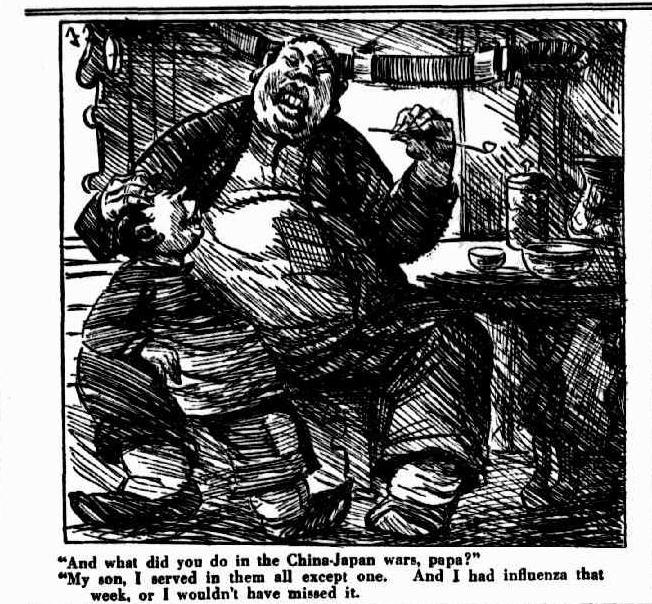
A low moment for this Australian tabloid.
(Smith’s Weekly, Sydney, 1934)
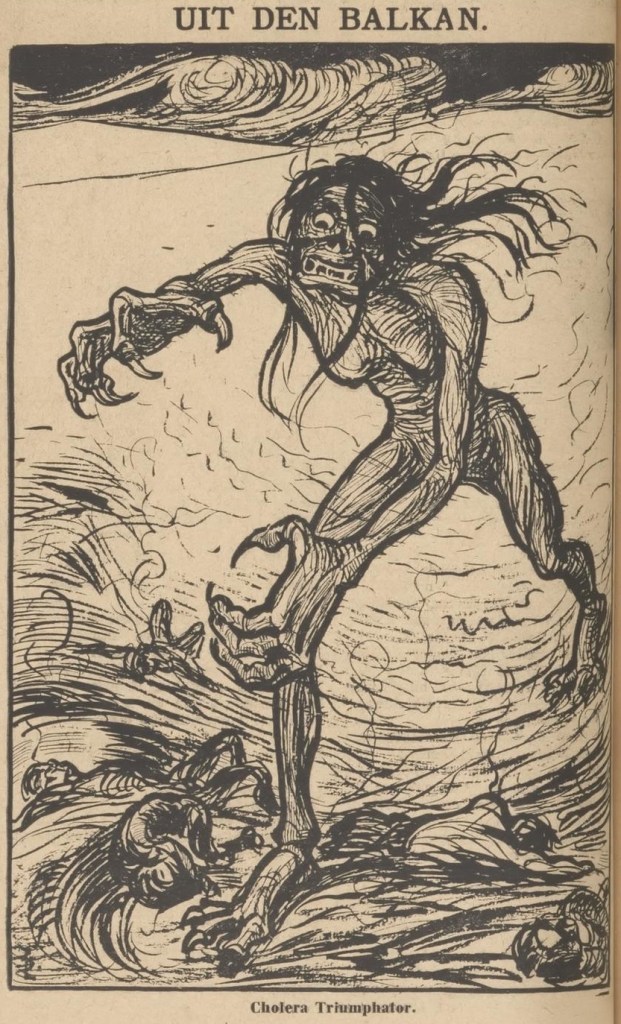
Cholera triumphator
(Het katholieke volk, Hilversum, 1912)
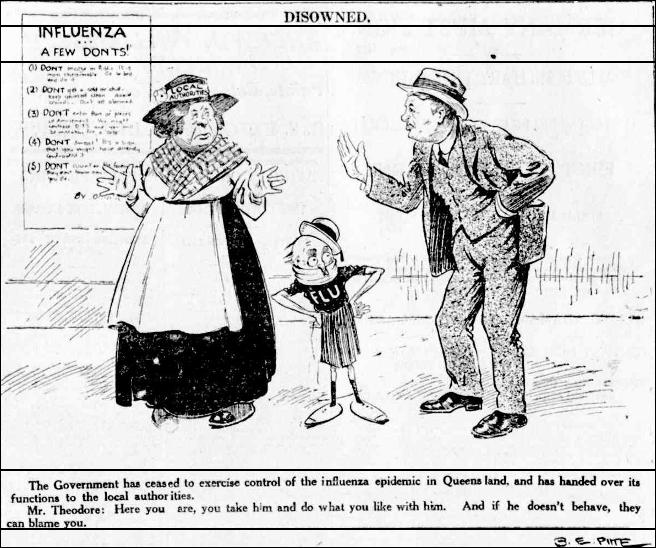
The Daily Mail, Brisbane, 1919
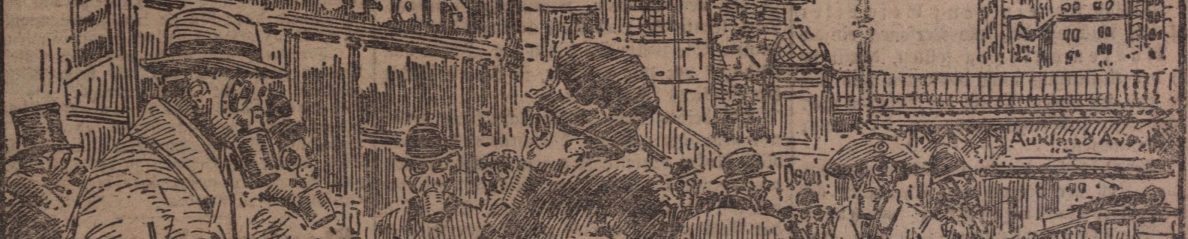
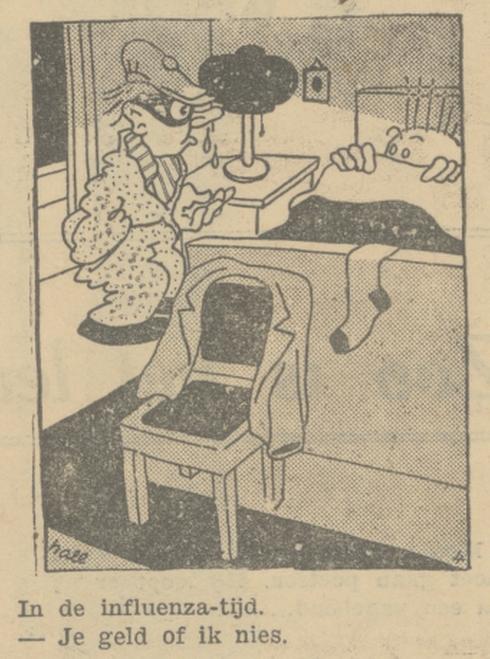
“Your money or I sneeze.”
(Eindhovensch dagblad, 1931)
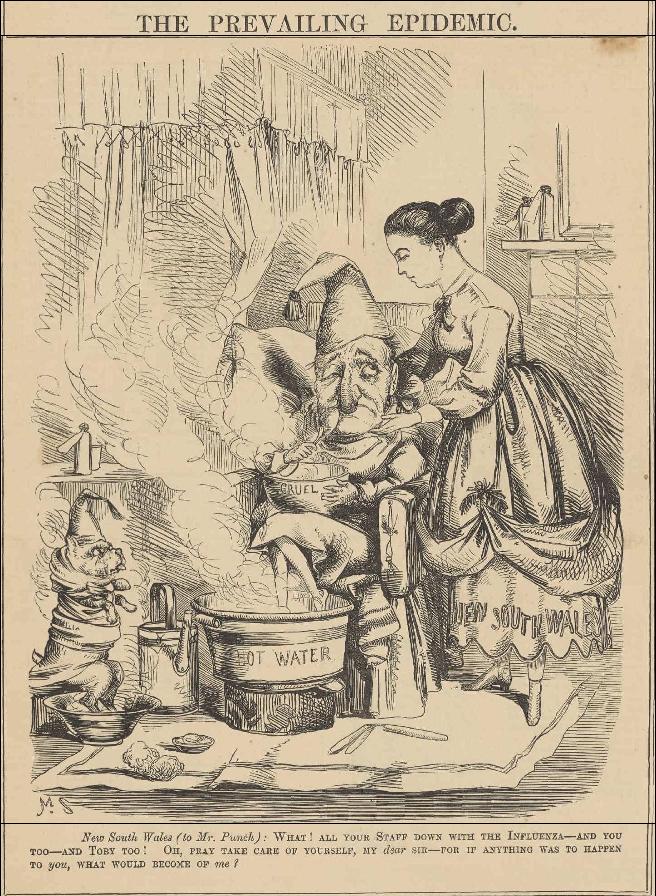
Sydney Punch, 1868
Ringmaster Fitz: “Now then, Dummy, jump through the hoops.”
(Smith’s Weekly, Sydney, 1919)
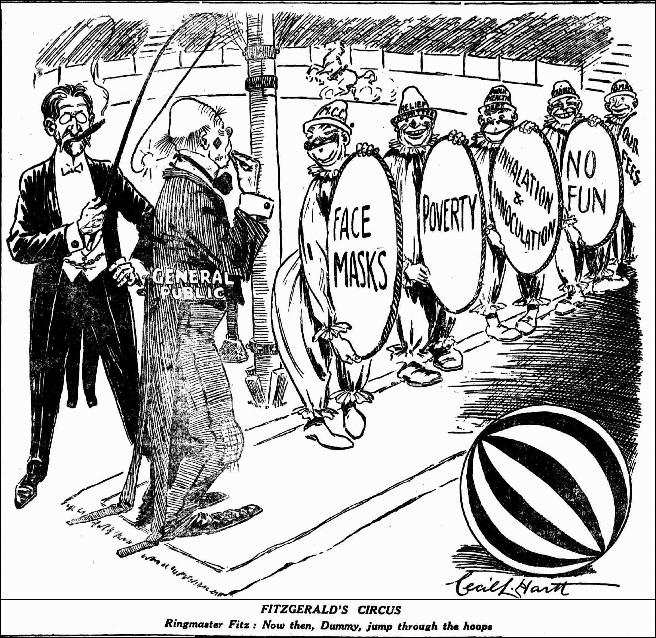
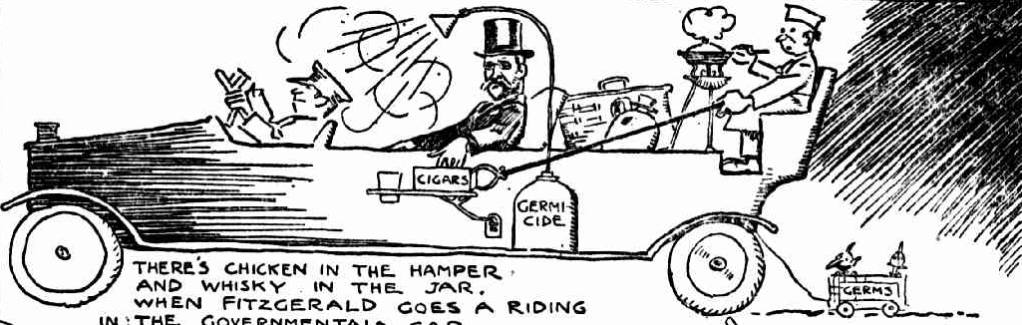
John Daniel Fitzgerald, minister of public health in New South Wales during the global flu pandemic, is mocked here for his aggressive response to the crisis. Elsewhere Smith’s Weekly referred to him as “lord of the masks and master of the microbes.” See also this image depicting him making his disinfected rounds in a government vehicle:
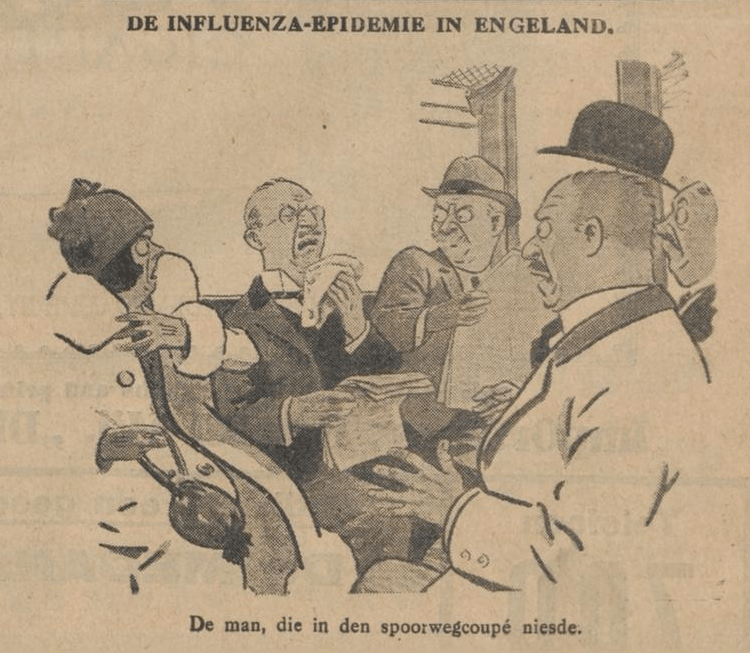
The man who sneezed in the railway compartment.
(De Sumatra post, 1925) (Compare these Hungarian and Czech variants.)
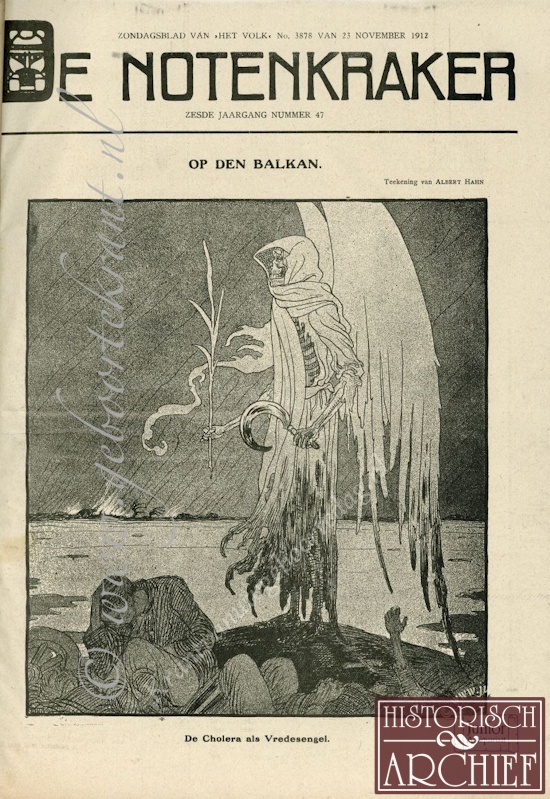
Cholera as angel of peace
(De Notenkraker, Amsterdam, 1912, via Historisch Archief)
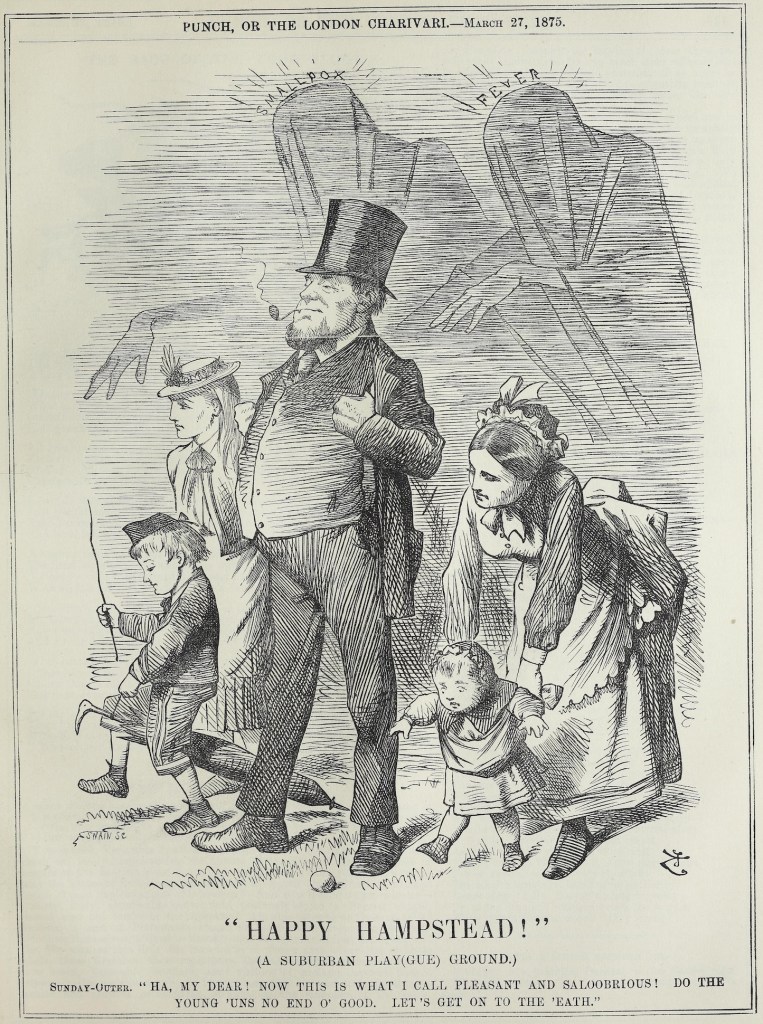
(A suburban play(gue) ground.)
(Punch, London, 1875)
This image accompanies some verses on recent travails in this Italian port city, and I take it to depict (inaccurately) the cholera vibrio that had wracked the country in recent years.
(Pss… pss…, Bari, 1911)
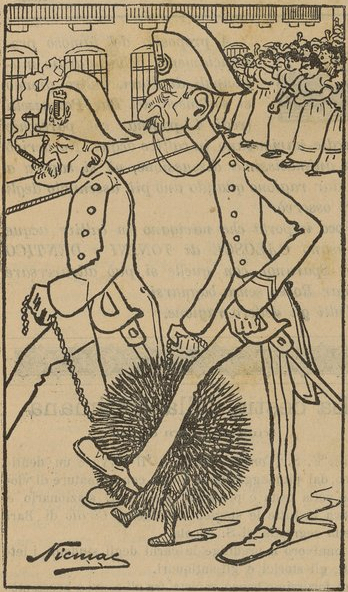
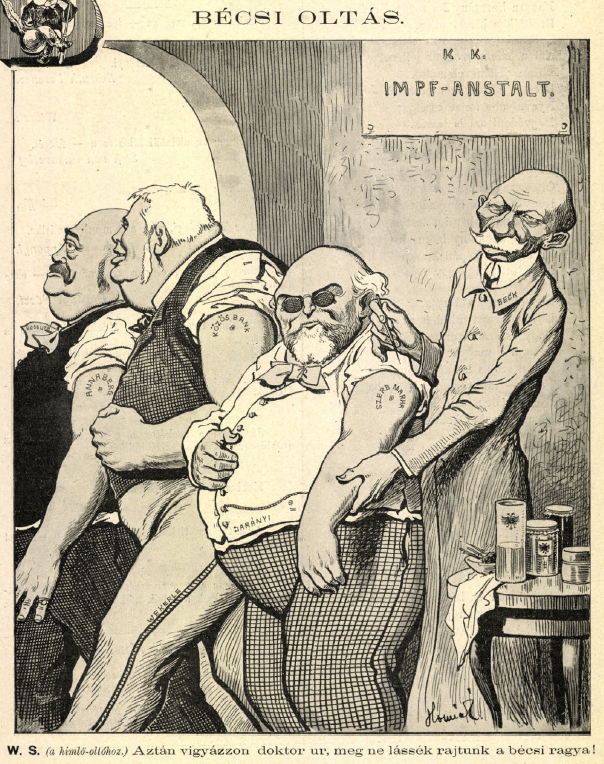
At the Imperial Royal Vaccination Institute [Austrian prime minister Count Max von Beck administering the shots to Hungarian ministers]
Hungarian prime minister Sándor Wekerle [second from left] (to the smallpox inoculator) “Take care then, Doctor, we don’t want to be seen with the Viennese pock on us!”
(Borsszem Jankó, Budapest, 1907)
(The decadal negotiations to renew the 1867 Compromise between the Austrian and Hungarian halves of the Habsburg Empire were exceptionally contentious in 1907. The electoral franchise was broader in Austria than it was in Hungary, and Beck threatened to extend it to the Transleithanian portion of the empire, which would have threatened the ability of Hungarian politicians to control the fractious minorities who slightly outnumbered the Hungarian population. The mark on Minister of Agriculture Ignác Darányi’s shoulder reads “Serbian livestock,” signaling grudging Hungarian accession to a common tariff agreement, while Wekerle’s reads “common bank,” i.e., shared currency.)
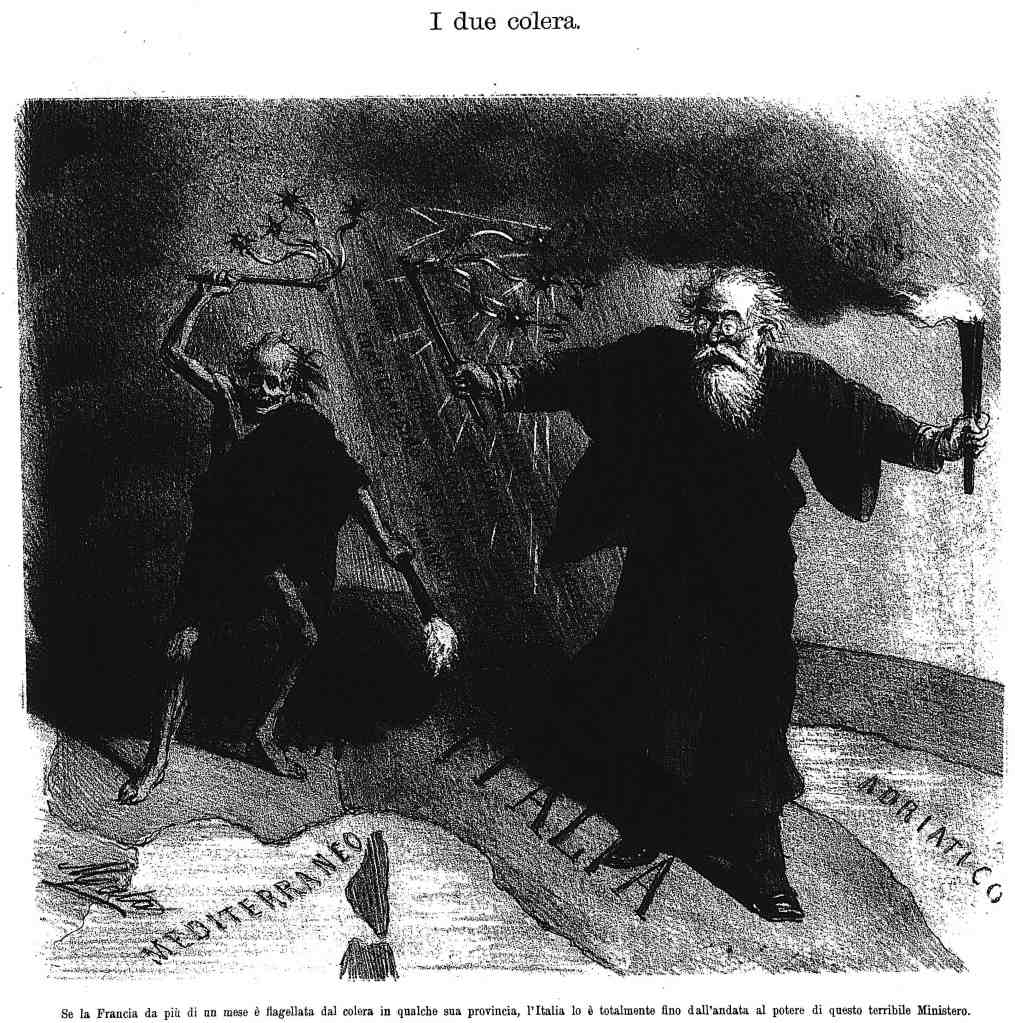
If France has been plagued by cholera for more than a month in some of its provinces, Italy has been totally so since the coming to power of this terrible Ministry.
(Lo Spirito folletto, 1884)
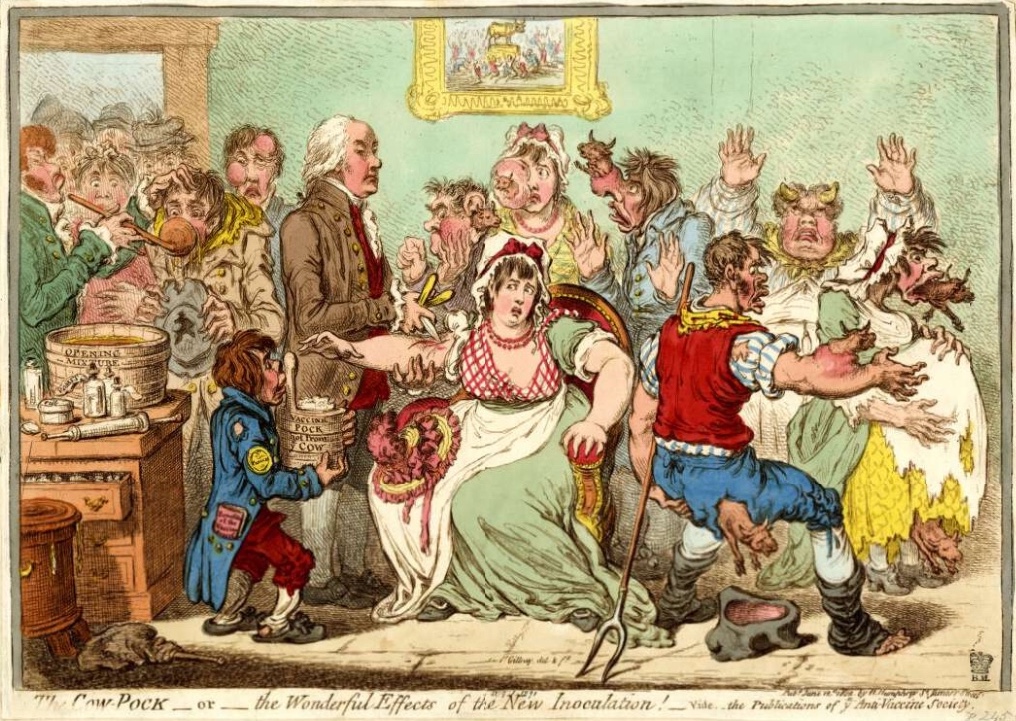
This famous cartoon depicting Edward Jenner administering the smallpox vaccine was published by James Gillray in Vide – the Publications of ye Anti-Vaccine Society in 1802. See the full description by Hannah Humphrey at The British Museum.
An early cartoon condemning the atheism and hostility to the aristocracy manifest in the French Revolution. “If all this is so, as we unfortunately could not call into doubt, plague, war, and famine are much less formidable than the plague known today in all of Europe under the name of French disease. Those attack only the current generation, this one [i.e., Revolution] tends to rot its way down to our last heirs. The author of the cartoon is therefore right to say in this sense that it is clear that the new regime is tipping the balance.”
(Jacque-Marie Boyer-Brun, Histoire des caricatures de la révolte des Français, Paris, 1792)

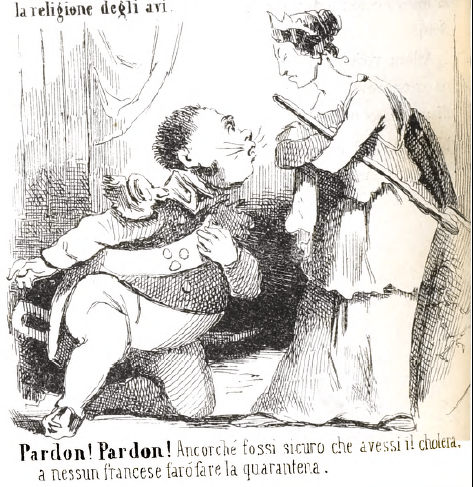
Pardon! Pardon! Even if I was sure I had cholera, no Frenchman could be contained by quarantine.
(Il Fischietto, Turin, 1854) (shaky on the idiom)
 Sic Transit Pestilentia