“Oh, Mr. Gravedigger! Don’t bury the child who died of smallpox next to my blessed husband, he hasn’t had them yet.”
(Fliegende Blätter, Munich, 1848)
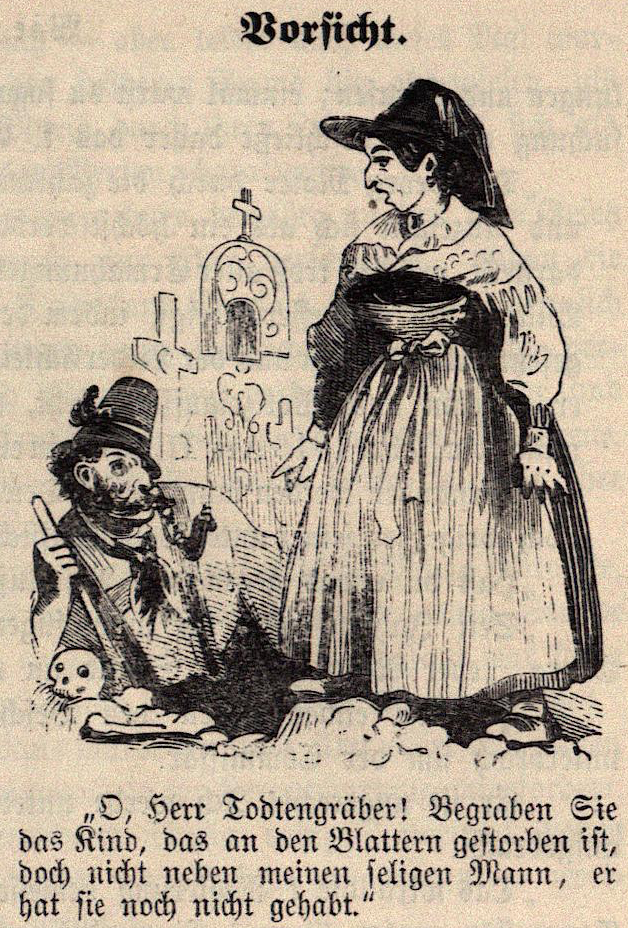
“Oh, Mr. Gravedigger! Don’t bury the child who died of smallpox next to my blessed husband, he hasn’t had them yet.”
(Fliegende Blätter, Munich, 1848)
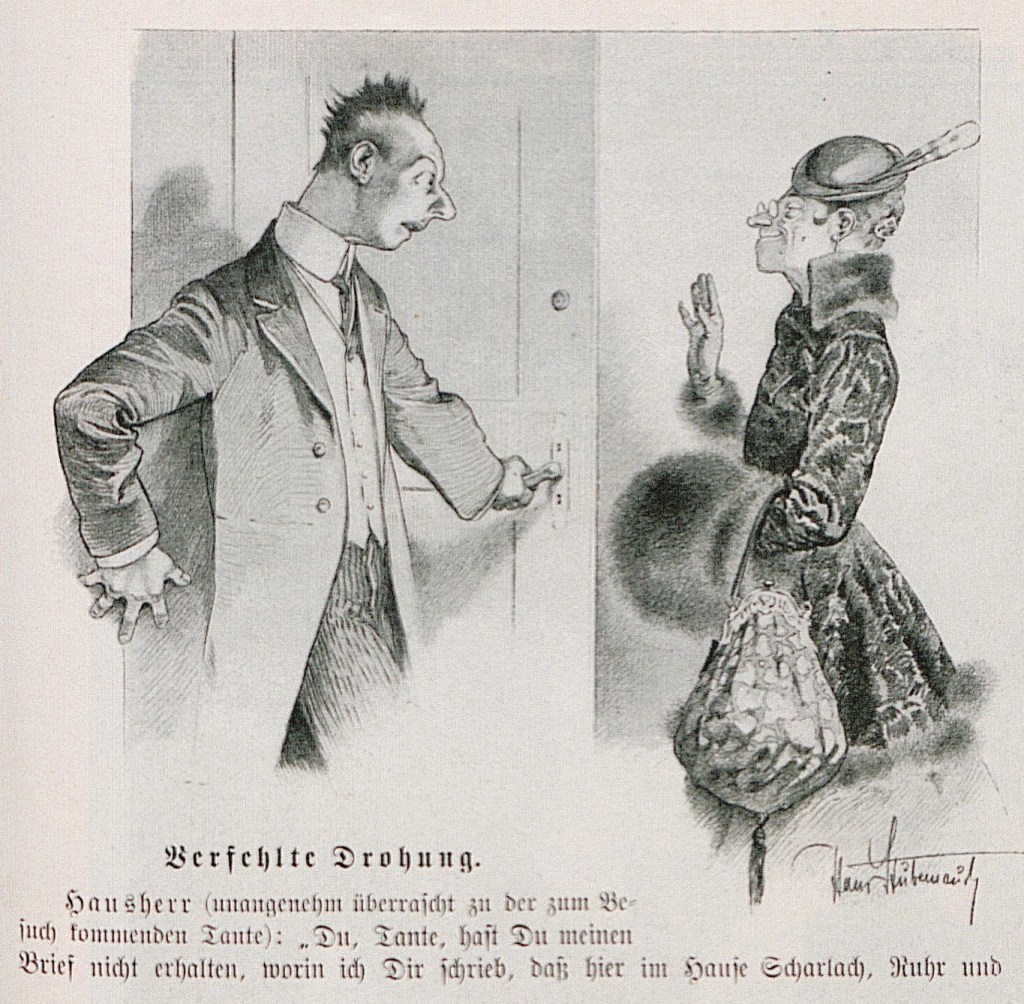
Landlord (unpleasantly surprised by visiting aunt): “Aunt, didn’t you get my letter where I wrote to you that scarlet fever, dysentery, and smallpox are prevalent in the building?”
Aunt: “It’s nothing, dear young man… I had myself vaccinated against all three diseases!”
(Fliegende Blätter, Munich, 1916)
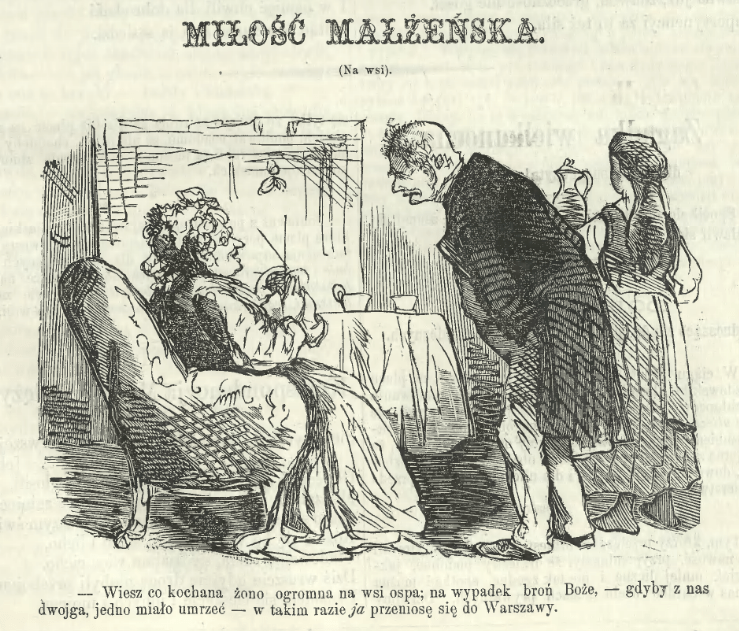
“You know what, my dear wife, smallpox is huge in the countryside; in the event that one of us were to die, then I will move to Warsaw.”
(Mucha, Warsaw, 1873)
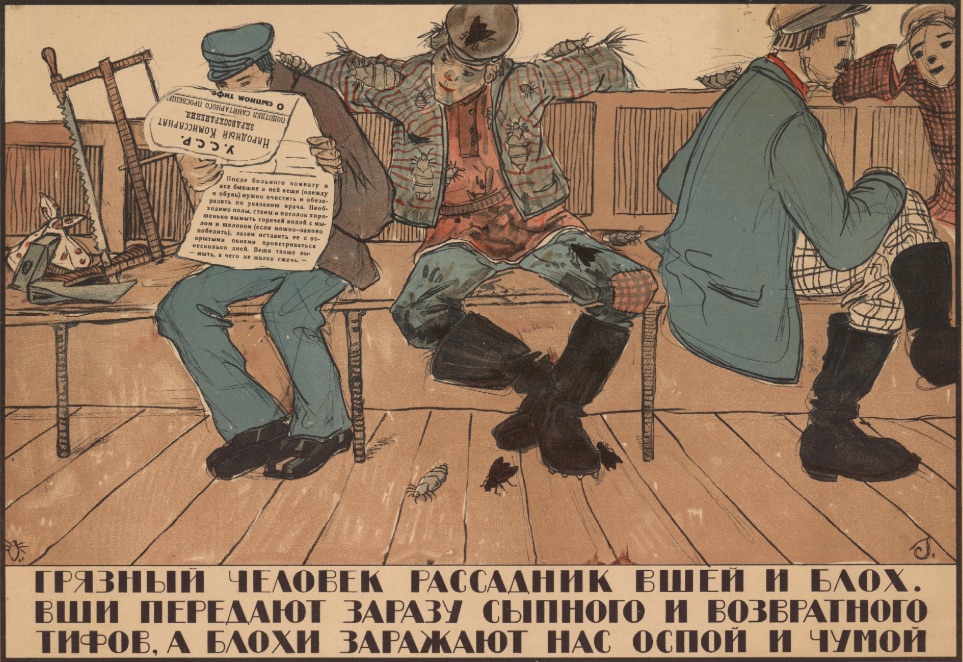
“A filthy man is a hotbed of lice and fleas. Lice transmit the typhus contagion and relapsing fever, and fleas infect us with smallpox and plague.” (Ukrainian People’s Commissariat of Health, 1920) A pity that Soviet didacticism in service to public health still managed to send mixed messages about class. (Russian State Library)
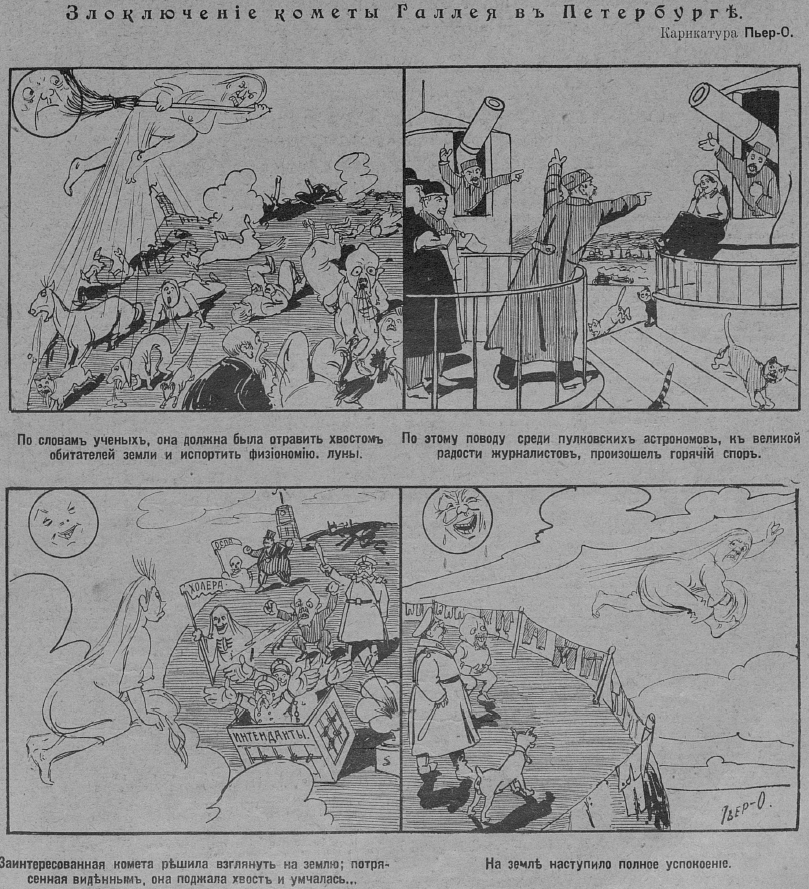
According to scientists, she was supposed to have poisoned the inhabitants of the earth with her tail and ruined the shape of the moon.
In this regard there was a heated debate among the Pulkovo astronomers, to the great joy of journalists.
Her interest piqued, the comet decided to take a look at the earth; shocked by what she saw [cholera, smallpox, quartermasters, gramophones], she pulled in her tail and sped away…
Complete calm settled upon the earth.
(Ogonek no. 20, 1910)
 Sic Transit Pestilentia