From Champfleury’s Histoire de la caricature sous la République, l’Empire et la Restauration (Paris, 1877). Any revolution unfortunately generates excess, any excess is paid for by steps backward. It has been so since the beginning of humanity and it will always be the same, the Progress or Decadence of nations being exercised only imperceptibly and via slow permeations. That a people erect a pyramid at the top of which it engraves the main facts of its history, that a crevasse opens revealing the abyss at the bottom of which a nation is condemned to expiate its faults, long years will pass before the last stone of the commemorative monument is laid, before the collapse in which men and things must disappear.
Many volumes have been written on this theme and had the title page adorned with solemn gentlemen thinkers gaunt as wineskins. The author [Champfleury], predisposed by his studies to fear mockery, considers it appropriate to leave aside the grandeur of the decline of empires as well as banal historical forecasts. His more modest role consists in seeking what futile repercussions sometimes lead to serious events. So one could, according to him, draw a picture of satirical ephemerides relating to important discoveries, to the benefits that humanity accepts only with a mocking smile.
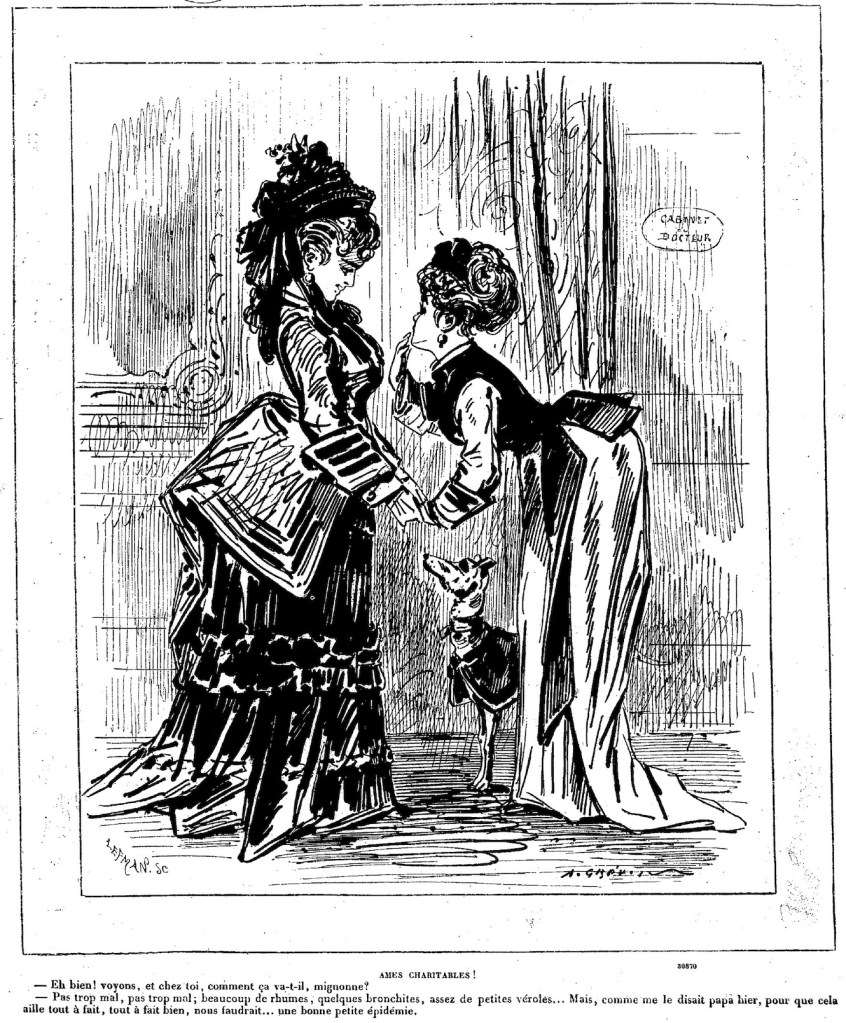
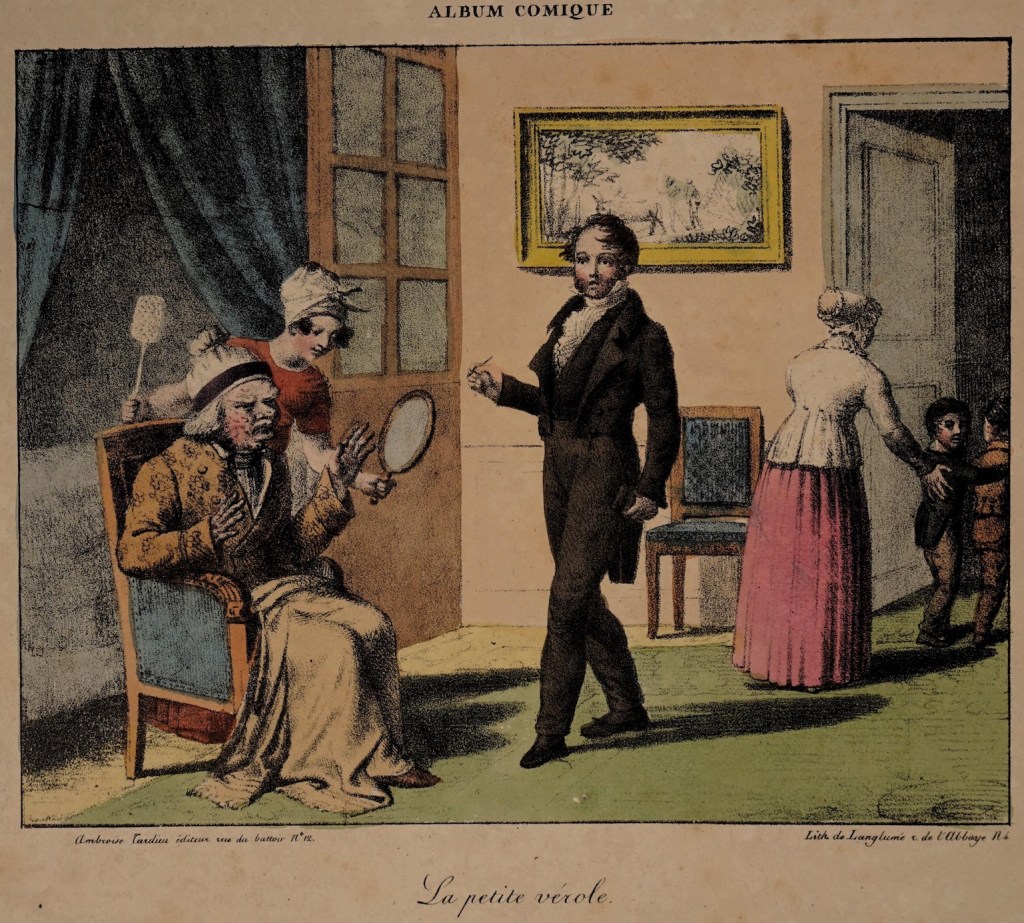
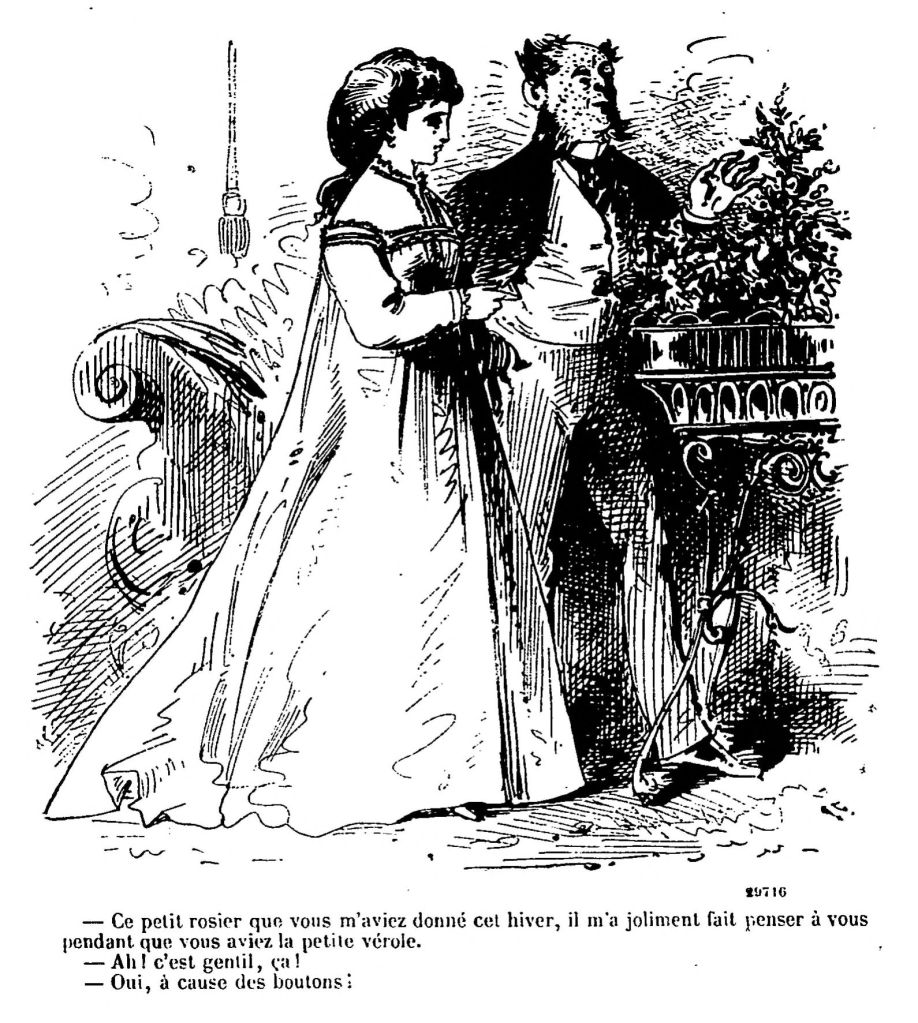
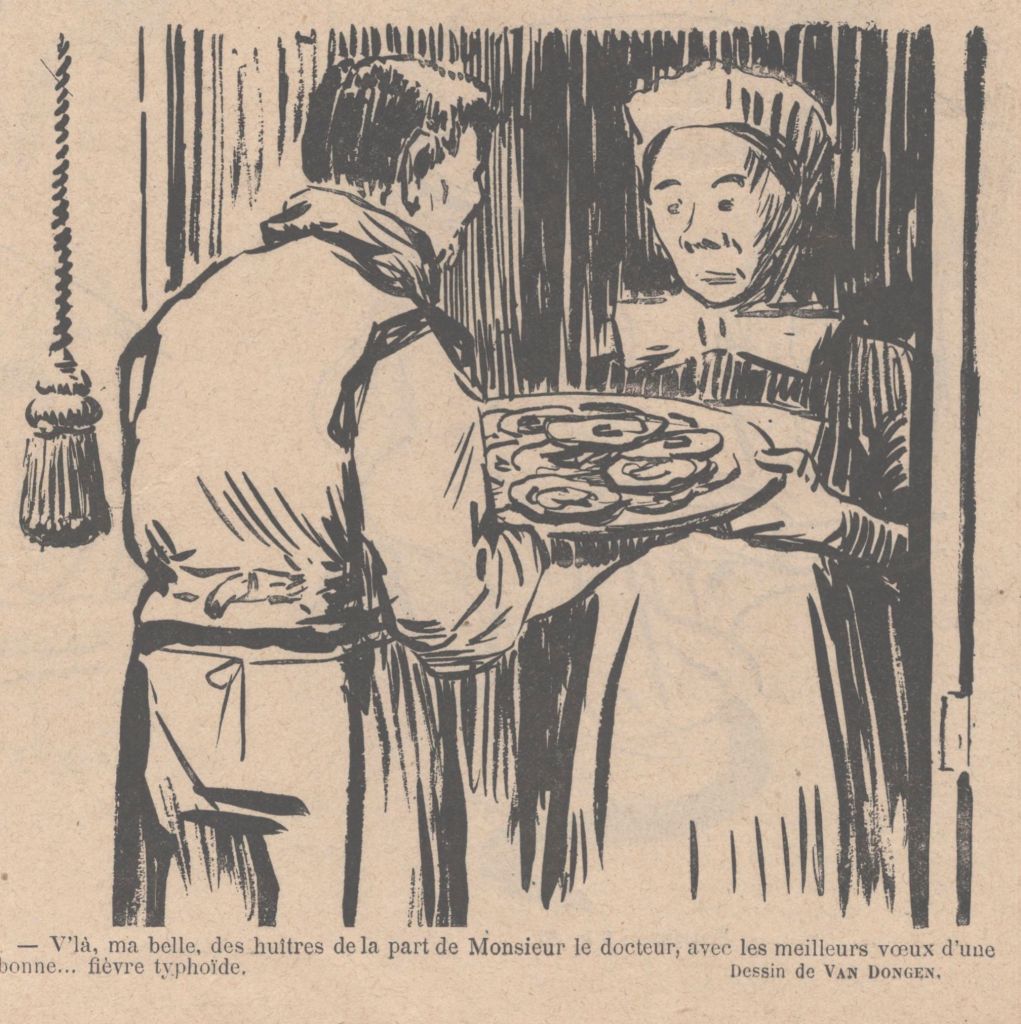
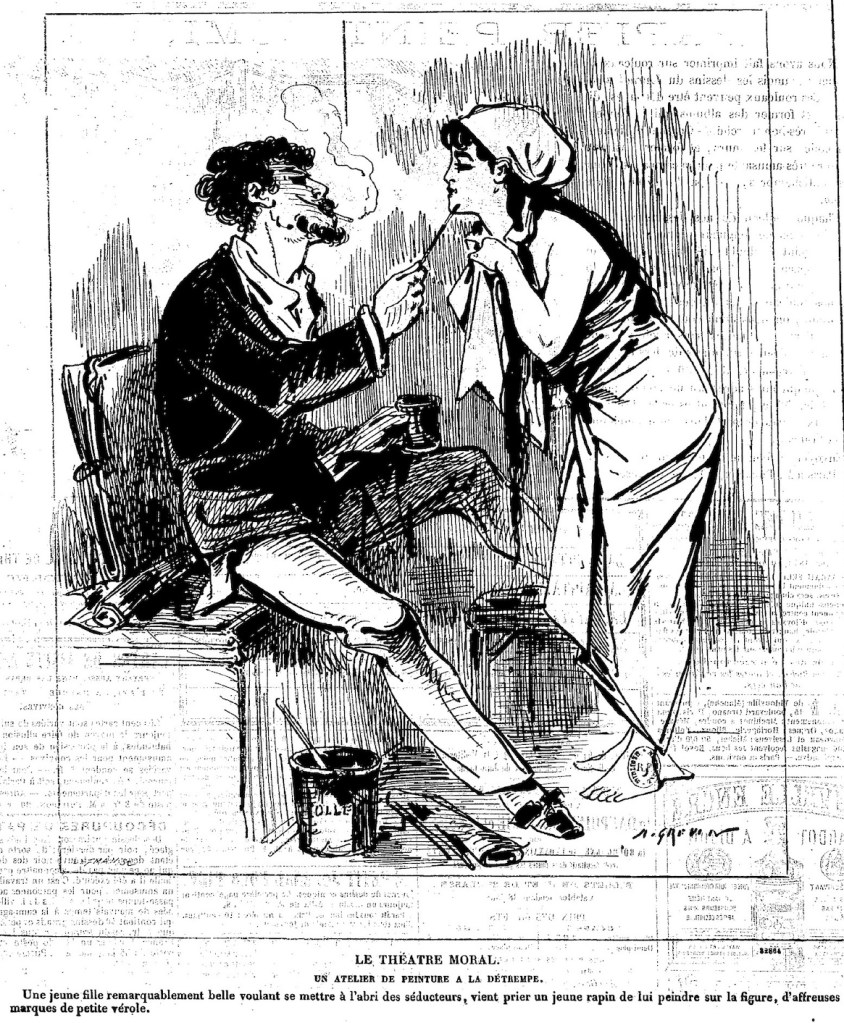
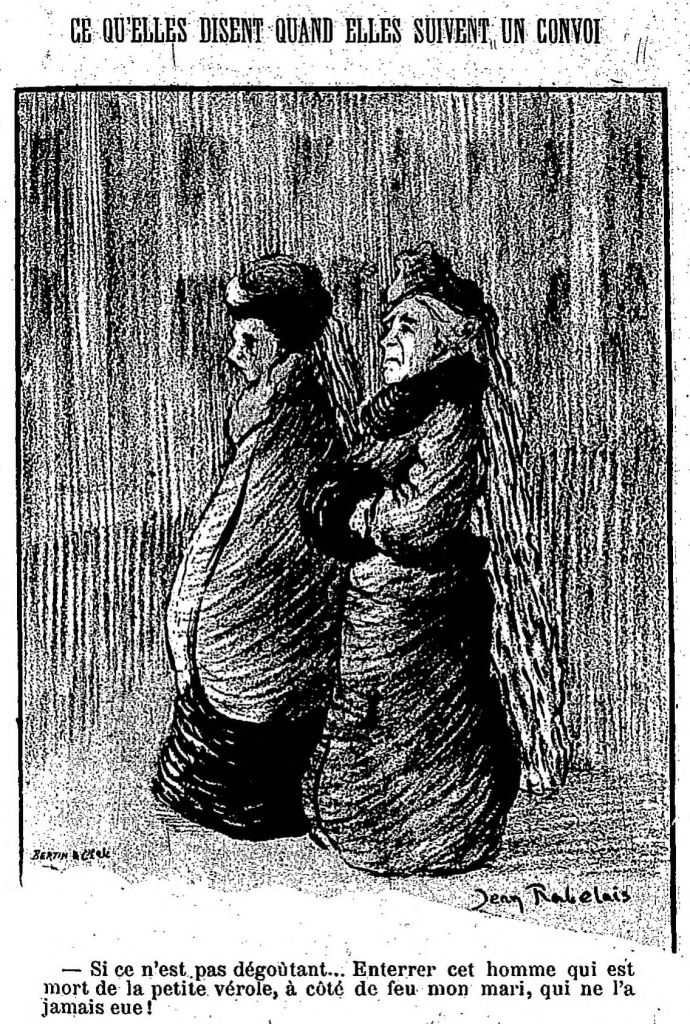
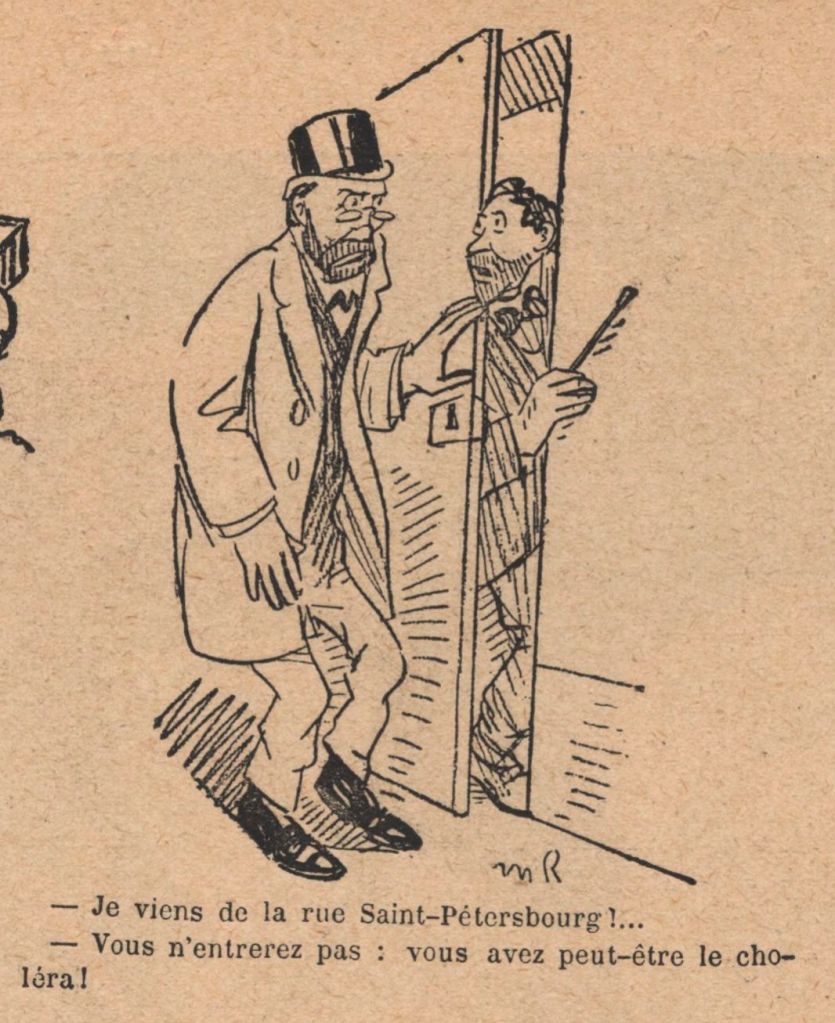
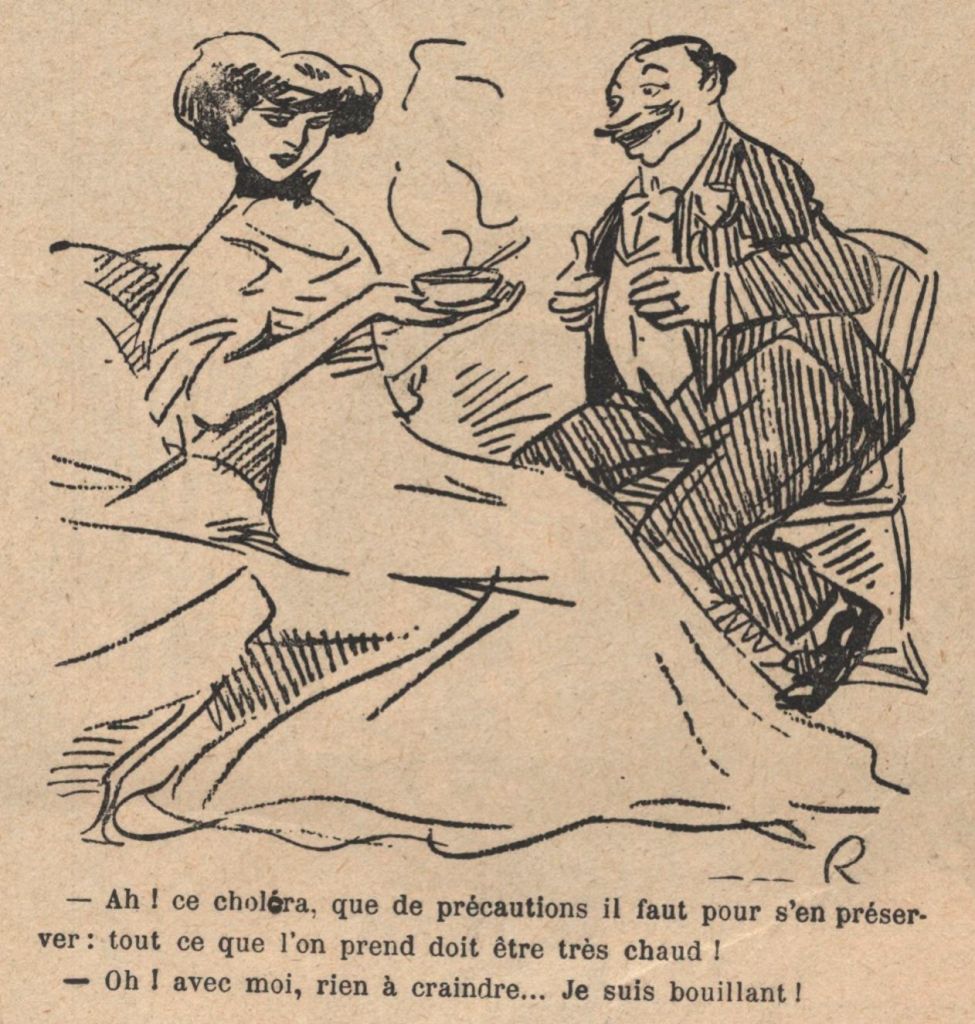
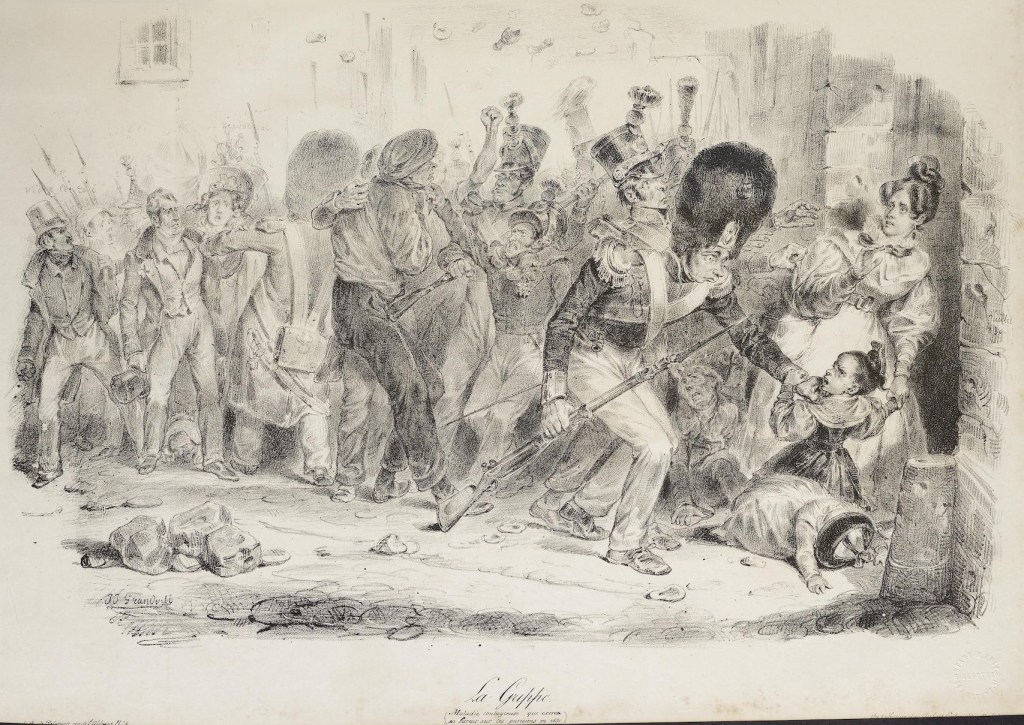
In this order, the century opens with the discovery of vaccine. As soon as Jenner’s name is mentioned, the cartoon catches your eye. “Were the discovery of vaccine,” said Cuvier in a report to the Institut de France, “to be the only thing that medicine had obtained in the present period, it would suffice to forever illustrate our era in the history of science.” But just as there are mockingbirds which parody the song of the nightingale, so also people who practice mockery never lose their rights. They are useful, moreover, helping to popularize a discovery, although their pencil is not cut out for this purpose The discovery of vaccine was therefore set upon by cartoonists, without giving them a strong inspiration.


 Sic Transit Pestilentia